
A semi-truck tearing through a freeway center divider is a sobering sight, and it points to the serious damage these vehicles can cause when something goes wrong. A recent early-morning crash in Granada Hills closed multiple lanes where two major freeways connect. For anyone who shares the road with big rigs, the incident is worth understanding.
What Happened at the 118 and 405 Transition
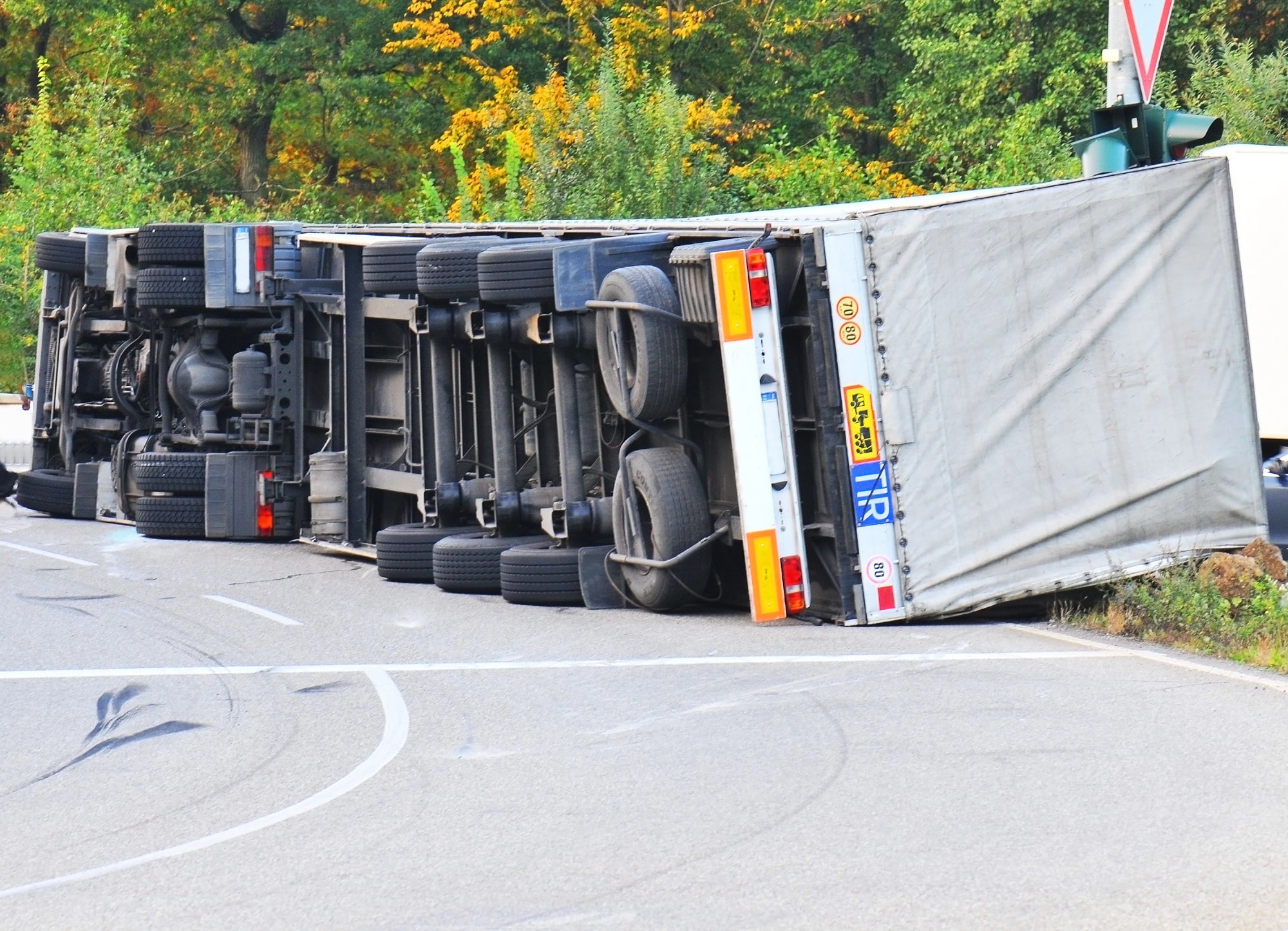
A report from CBS News Los Angeles states that parts of the transition road between the 118 and 405 freeways in Granada Hills were closed early on a Thursday morning after a semi-truck crashed through the center divider and blocked multiple lanes. The crash was reported around 5:35 a.m. on the eastbound lanes of SR-118 near the southbound I-405, according to the California Highway Patrol incident log.
For reasons that were not clear, the big rig went through the cement divider and came to a stop while blocking the HOV lane on the eastbound 118 and lanes heading west.
The CHP issued a SigAlert covering the HOV and No. 1 lanes on the eastbound 118, along with the HOV and Nos. 1 through 3 lanes heading west at the 405. Officials did not say how long the closures would last, and it was unclear how many other vehicles were involved or whether anyone was hurt.
Why Large Truck Crashes Are Different
A loaded semi-truck can weigh 20 to 30 times more than a passenger car. When one loses control, the physics work against everyone nearby. A truck that breaks through a divider can cross into oncoming traffic in seconds, and the people in smaller vehicles bear the worst of it.
The data reflects this imbalance. In 2022, there were an estimated 5,837 fatal crashes involving large trucks, according to the Federal Motor Carrier Safety Administration’s Large Truck and Bus Crash Facts. Occupants of other vehicles, not the truck drivers, make up the majority of those killed.
Several factors tend to contribute to crashes like the one in Granada Hills:
- Driver fatigue, especially on early-morning or overnight routes
- Improperly loaded or shifting cargo
- Brake failure or poor vehicle maintenance
- Speeding or following too closely for the truck’s weight
- Tire blowouts at highway speed
When any of these go wrong on a busy interchange, the results can affect dozens of drivers at once.
Who May Be Responsible
Truck crash claims are rarely simple. More than one party can share fault, and sorting that out takes a careful look at the evidence. Possible responsible parties include:
- The truck driver, if fatigue, distraction, or a traffic violation played a role
- The trucking company, if it pushed unrealistic schedules or skipped maintenance
- A cargo loader, if improper loading shifted the truck’s balance
- A parts manufacturer, if a defective component failed
Commercial trucking is governed by federal safety rules covering hours of service, inspections, and driver qualifications. When a carrier ignores those rules, that violation can become central to a claim. This is one reason injured drivers benefit from working with a Woodland Hills, CA trucking accident lawyer to investigate the full picture.
What to Do After a Truck Crash
If you are involved in a collision with a commercial truck, focus first on your health and safety. Get medical attention, even if injuries seem minor at first. Then preserve what you can. Photographs, the police report, and contact information for witnesses all matter later.
Avoid giving a recorded statement to the trucking company’s insurer before you understand your rights. These companies often move quickly to limit their exposure, and an early statement can be used against you.
Protecting Your Rights
A crash involving a big rig can leave lasting injuries and mounting expenses. California law gives injured people the right to seek compensation for medical care, lost income, and the physical and emotional toll of a serious collision.
If you or someone you love was hurt in a truck crash in the Granada Hills or Woodland Hills area, our Woodland Hills trucking accident lawyer at Goldberg Injury Lawyers can review what happened and explain your options. Reaching out early helps protect the evidence and the time limits that matter to your case.