

California’s Pure Comparative Negligence System
California follows what is known as pure comparative negligence, a rule established by the state Supreme Court in Li v. Yellow Cab Co. back in 1975. Under this system, an injured person can recover damages even if they were mostly responsible for the accident, with their award simply reduced by their own percentage of fault. There is no cutoff point where fault bars recovery entirely, which sets California apart from many other states.
This distinction surprises people who assume California follows the same fifty or fifty one percent bar used elsewhere. Even a driver found overwhelmingly at fault retains some right to recover, though the practical value of that recovery shrinks considerably as fault increases toward the higher end of the scale.
Why This Matters in Practice
A driver found seventy percent at fault for a crash can still recover thirty percent of their damages under this rule, an outcome that would be impossible in states using a fifty or fifty one percent bar. This means insurers cannot rely on pushing an injured person’s fault percentage past a specific threshold to eliminate a claim entirely. Instead, every percentage point of fault directly and proportionally affects the payout, which changes how negotiations tend to unfold from the very first conversation.
Where the Rule Actually Comes From
Unlike many comparative negligence rules that come from state legislatures, California’s version developed through case law rather than a specific statute. The foundational duty of care is set out in California Civil Code Section 1714, but the pure comparative negligence framework itself traces directly back to the Supreme Court’s reasoning in Li v. Yellow Cab. Because it originated in the courts, subsequent case law has continued to shape exactly how the rule applies in different situations, including cases involving multiple defendants or complex chains of causation across several vehicles.
How Insurers Approach Fault in This System
Since there is no threshold that eliminates a claim outright, insurers instead focus heavily on maximizing the fault percentage assigned to the injured party, since every point directly reduces the payout owed. A Santa Clarita car accident lawyer reviewing a claim will often see adjusters push hard for a fault percentage that, while not eliminating the claim, still meaningfully shrinks what the injured person ultimately recovers from the settlement.
The Evidence That Shapes the Fault Percentage
A handful of evidence types consistently carry the most weight in these disputes over how fault gets apportioned between the parties involved:
- Police reports and any citations issued at the scene
- Traffic camera or dashcam footage capturing the collision
- Independent witness statements gathered close to the incident
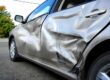
- Vehicle damage patterns indicating speed and point of impact
Because every percentage point translates directly into dollars, the quality and completeness of this evidence matters more in California than it might in a state with an all-or-nothing threshold that eliminates weaker claims outright.
Getting a Fair Assessment of Fault
Because fault percentage directly shapes every dollar of a settlement rather than acting as a pass or fail threshold, getting an accurate assessment early makes a real difference in the outcome. A Santa Clarita car accident lawyer reviewing the facts of a case can flag weak points in an insurer’s fault argument before they become baked into a lowball offer.
Working With a Firm That Understands the System
Goldberg Injury Lawyers has represented injured clients throughout the San Fernando Valley and understands how insurers approach fault disputes under California’s pure comparative negligence system firsthand every single day. If you were hurt in a crash and are unsure how fault might be allocated in your case, an early review of the evidence gives you a clearer picture before negotiations with the insurance company begin in earnest.