
Watching another driver speed away after causing a crash leaves victims with a uniquely frustrating problem. There is no other insurance policy to call, no other driver to identify at the scene, and often no clear starting point for figuring out what comes next.
Why Drivers Flee in the First Place
Drivers leave the scene of a crash for a range of reasons, from driving without a valid license or insurance to being under the influence at the time of impact. Whatever the motivation, fleeing the scene of an injury crash is itself a separate criminal offense in California, on top of whatever civil liability the driver already faces for causing the collision.
What Evidence Can Still Identify a Fleeing Driver
Even without an exchange of information, several sources of evidence can help identify the responsible party after the fact.
- Nearby traffic and security cameras that may have captured the vehicle
- Paint transfer or vehicle debris left at the scene that can help identify the make and model
- Witness accounts describing the vehicle, even partial plate numbers or distinctive features
- Dashcam footage from other drivers who happened to be nearby at the time
Acting quickly matters here, since traffic and security camera footage often gets overwritten within days.
What Happens If the Driver Is Never Found
When the at fault driver cannot be identified, injured victims are not automatically left without options. Uninsured motorist coverage on the victim’s own auto policy typically applies in these situations, since California requires this coverage to be offered on every policy unless a driver specifically waived it in writing.
How an Uninsured Motorist Claim Works
Filing a claim in this situation means filing against your own insurance company rather than the driver who fled, which can feel like an unusual dynamic. Goldberg Injury Lawyers reminds clients that the insurer still has an obligation to evaluate the claim fairly, but some companies are more resistant to paying out on these claims than others, making thorough documentation just as important as it would be with any other driver’s policy.
- A police report documenting the hit and run is typically required to support the claim
- Medical records connecting the injury directly to the crash strengthen the case significantly
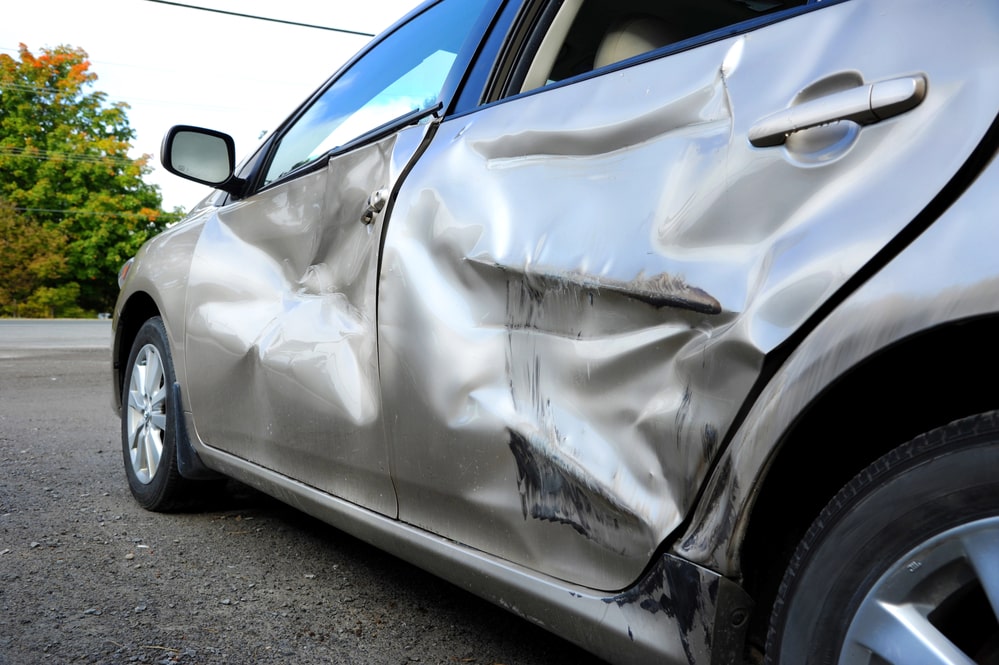
- Physical evidence from the scene, such as photos of vehicle damage, helps establish the collision occurred as described
When the Driver Is Later Identified
Sometimes a fleeing driver gets identified after the fact, whether through a license plate reported by a witness or through follow up police investigation. When this happens, a Santa Clarita car accident lawyer can pursue a claim directly against that driver’s insurance policy in addition to, or instead of, an uninsured motorist claim, depending on which path offers better recovery.
Steps Worth Taking Immediately After a Hit and Run
Acting quickly in the hours and days after the crash meaningfully improves the chances of identifying the driver or building a strong uninsured motorist claim.
- File a police report as soon as possible, even if the driver was never identified
- Photograph the scene, vehicle damage, and any visible injuries before anything changes
- Ask nearby businesses about surveillance footage before it gets overwritten
- Notify your own insurance company promptly to begin the uninsured motorist claims process
Anyone dealing with a hit and run can speak with a Santa Clarita car accident lawyer to understand which path toward compensation applies to their situation.