

Traumatic brain injuries alter lives in profound and often permanent ways. Unlike broken bones that heal or cuts that leave visible scars, brain injuries affect cognition, personality, memory, and basic functioning in ways that may not be immediately apparent. Victims and their families often don’t understand the full extent of the injury until months or years after the initial trauma.
Brain injury cases require substantial medical documentation and testimony to prove both the severity of the injury and its long-term effects. Diagnostic imaging, neuropsychological testing, and evaluations from multiple medical professionals all contribute to demonstrating damages. Our friends at Nugent & Bryant discuss how these cases demand early involvement of qualified medical specialists and economists who can project lifetime care costs. A brain injury lawyer handles claims where head trauma from accidents causes lasting cognitive or physical impairments requiring extensive medical treatment and life care planning.
Understanding TBI Severity Classifications
Medical professionals classify traumatic brain injuries by severity. Mild TBIs, commonly called concussions, may seem minor initially but can cause lasting symptoms. According to the Centers for Disease Control and Prevention, TBI contributes to a substantial number of deaths and cases of permanent disability annually.
Moderate TBIs involve loss of consciousness lasting minutes to hours and visible brain changes on imaging studies. Victims often require hospitalization and face substantial recovery periods with potential permanent effects.
Severe TBIs cause extended unconsciousness or coma. These injuries typically require intensive care, surgical intervention, and result in significant long-term disabilities. Many severe TBI victims never return to their previous level of functioning.
Common Causes Of Traumatic Brain Injuries
Motor vehicle accidents represent the leading cause of TBIs in adults. The force of collision causes the brain to strike the inside of the skull, resulting in bruising, bleeding, or tearing of brain tissue. Even low-speed crashes can cause concussions.
Falls cause many brain injuries, particularly among elderly individuals and young children. Slip and fall accidents on commercial property, construction site falls, and nursing home incidents frequently result in head trauma.
Sports-related concussions affect athletes at all levels. Repeated concussions carry particular risks including chronic traumatic encephalopathy. Contact sports like football, hockey, and soccer see high concussion rates.
Workplace accidents including construction falls, being struck by objects, and industrial accidents cause occupational brain injuries. Assault and intentional violence also account for significant numbers of TBIs.
Symptoms And Long-Term Effects
Brain injury symptoms vary widely depending on injury location and severity. Physical symptoms include:
- Persistent headaches
- Dizziness and balance problems
- Vision or hearing changes
- Chronic fatigue
- Seizures
- Motor function impairment
Cognitive effects often prove most disabling. Memory problems, difficulty concentrating, slowed processing speed, and impaired judgment affect work performance and daily activities. Many TBI victims cannot return to their previous occupations.
Emotional and behavioral changes following brain injury strain relationships and reduce quality of life. Depression, anxiety, irritability, and personality changes are common. Some victims experience disinhibition, making impulsive or socially inappropriate decisions they wouldn’t have made before the injury.
Establishing Liability In Brain Injury Cases
Proving who bears responsibility depends on how the injury occurred. Negligent drivers who cause accidents resulting in head trauma face liability for resulting TBIs. Property owners who fail to maintain safe conditions can be liable when falls cause brain injuries.
Product liability claims arise when defective products cause head trauma. Motorcycle helmet defects, inadequate vehicle safety systems, or defective safety equipment may support claims against manufacturers.
Employers have duties to provide safe workplaces. Violations of safety regulations that lead to brain injuries can support claims beyond workers’ compensation in some circumstances, particularly when third parties contributed to the accident.
Proving Brain Injury Damages
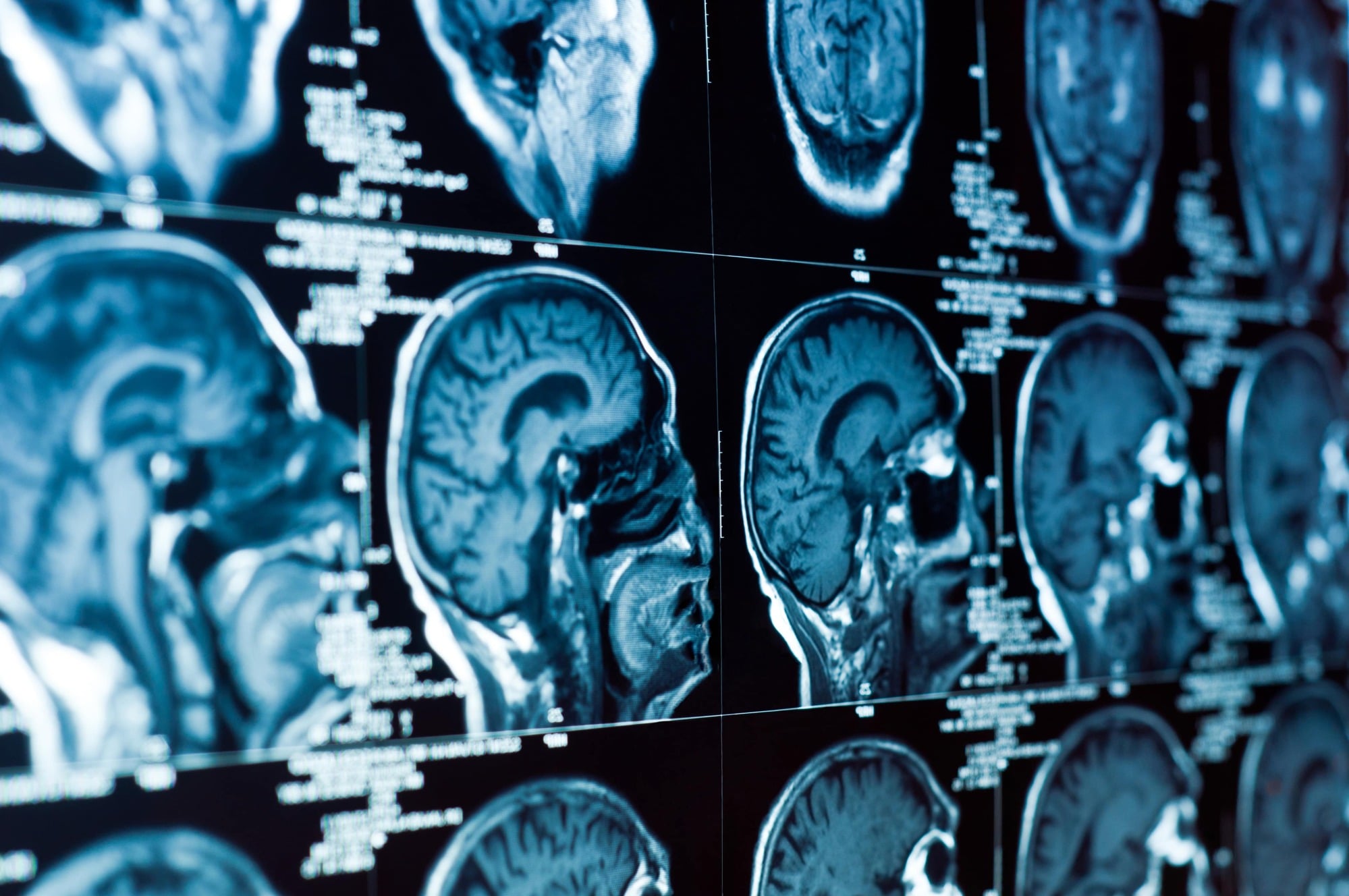
Unlike visible injuries, brain damage requires substantial medical evidence to prove. Neurological examinations, CT scans, MRIs, and other imaging studies document physical brain changes. Neuropsychological testing objectively measures cognitive deficits.
Before and after testimony from family, friends, and coworkers illustrates how the injury changed the victim. These witnesses describe personality changes, cognitive difficulties, and functional limitations that may not be obvious to strangers but profoundly affect daily life.
Vocational assessments evaluate whether victims can return to their previous work and what earning capacity they’ve lost. Many brain injury victims cannot perform jobs requiring concentration, multitasking, or quick decision-making even if they appear physically healthy.
Calculating Lifetime Care Costs
Severe brain injuries require ongoing medical care and support services for life. Life care planners evaluate future needs including:
- Continued neurological and psychiatric care
- Medications for seizures, pain, depression, and other symptoms
- Physical, occupational, and speech therapy
- Cognitive rehabilitation services
- Assistive technology and adaptive equipment
- Home modifications for accessibility
- Personal care attendants for daily living assistance
These costs easily reach millions of dollars over a victim’s lifetime. Economists calculate present value of future expenses to determine appropriate compensation.
Special Considerations For Child Brain Injuries
Children with TBIs face unique challenges as injuries may affect development and education. Learning disabilities, behavioral problems, and social difficulties often emerge as children age. Academic accommodations and special education services become necessary.
Calculating damages for children requires projecting how the injury will affect their entire life trajectory including education, career potential, and independence. These cases demand careful analysis of developmental impacts that may not be fully apparent when the child is young.
Insurance Coverage Issues
Brain injury cases often exceed standard insurance policy limits given the enormous medical expenses and lifetime care needs. We identify all available insurance coverage including the at-fault party’s liability policy, underinsured motorist coverage, and any umbrella policies.
Some insurers dispute TBI claims arguing injuries are exaggerated or unrelated to the accident. They may hire their own medical examiners to minimize injury severity. Strong medical documentation and testimony counter these defense tactics.
Settlement Vs. Litigation Decisions
Brain injury settlements must account for both current and future needs. Accepting settlement too early, before understanding the full extent of permanent effects, can leave victims without resources for lifetime care.
Structured settlements provide periodic payments rather than lump sums. These arrangements can offer tax advantages and protect victims from depleting settlements prematurely. However, they reduce flexibility compared to lump sum payments.
Some cases require litigation when insurers won’t offer fair settlements. Brain injury trials are expensive and lengthy but may be necessary to achieve adequate compensation for catastrophic injuries.
Protecting Your Legal Rights
Brain injuries represent some of the most devastating and expensive injuries to treat and manage. The effects ripple through every aspect of victims’ lives and place enormous burdens on families who become caregivers. Pursuing fair compensation requires understanding both the medical aspects of TBI and the legal strategies for proving damages and establishing liability. Early legal involvement helps preserve evidence, secure proper medical evaluations, and protect your interests against insurance companies trying to minimize serious injuries. Contact our firm to discuss your brain injury case and learn how we can help you pursue the compensation needed for treatment and long-term care.


